
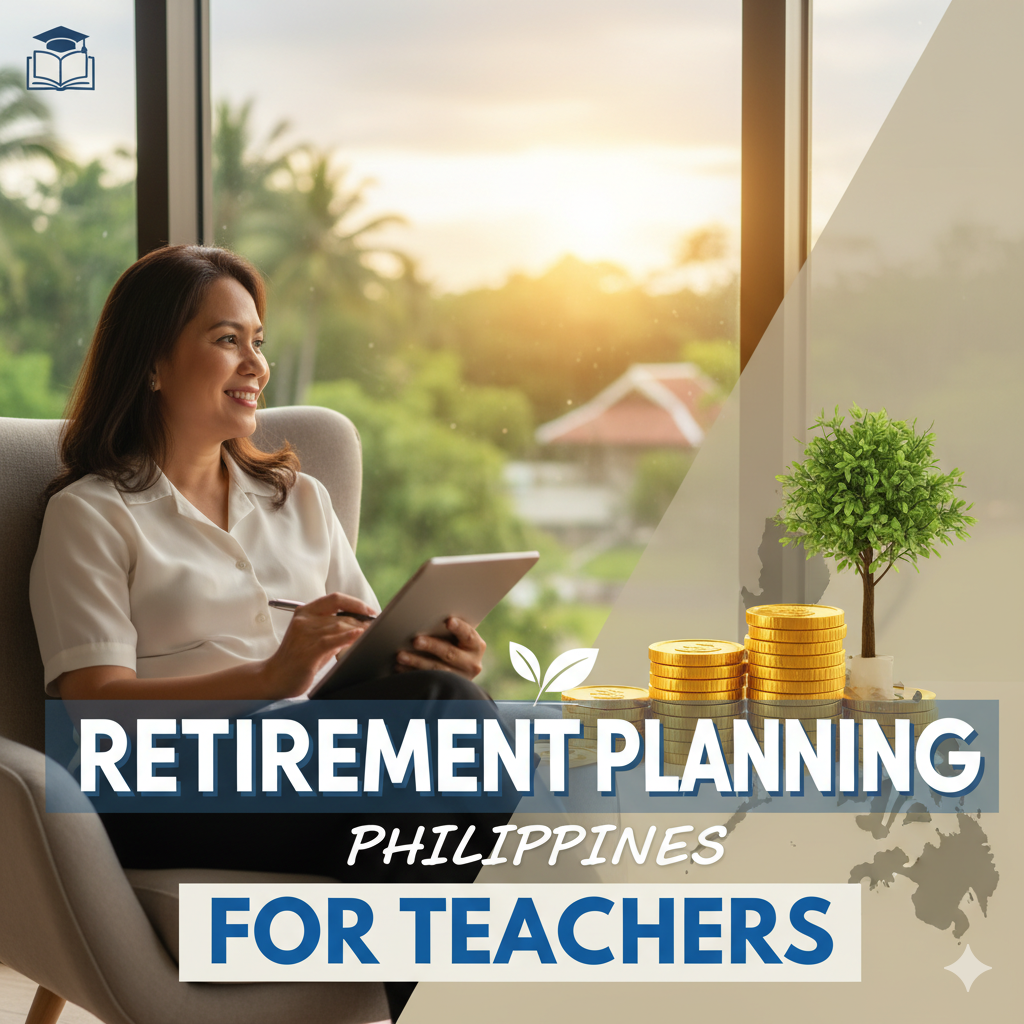
Retirement Planning Philippines for Teachers: A Practical Guide to Secure Your Future
Retirement planning in the Philippines for teachers is often overlooked until it’s too late to make meaningful financial adjustments. Whether you’re teaching in a public school under the Department of Education or working in a private institution, the need for a clear, structured retirement strategy is non-negotiable.
This guide cuts through the noise and focuses on what really matters—preparing educators for a financially stable life after the classroom.
Why Teachers Need to Start Retirement Planning Early
Teaching is one of the most noble professions, but it doesn’t always come with the highest pay. This makes retirement planning for teachers in the Philippines even more important. Unlike corporate employees with multiple investment-linked benefits, most educators rely on fixed government pensions or limited employer-sponsored plans.
Starting early allows teachers to:
Maximize compound interest through savings and investments
Build fallback funds outside of GSIS or SSS
Prepare for healthcare needs and inflation
Related keywords: teacher retirement savings, financial planning for educators
1. Understand GSIS Retirement Benefits (For Public School Teachers)
If you’re a government-employed teacher, your primary retirement source is GSIS (Government Service Insurance System). Here’s what you should know:
Minimum of 15 years of service is required
Retirement age is typically 60 (optional) or 65 (compulsory)
Monthly pension is based on length of service and average monthly compensation
📌 Tip: Download your GSIS records regularly to track your contributions and avoid discrepancies.
Related keywords: GSIS retirement benefits, public school teacher pension
2. Know Your Options in Private Schools
Private school teachers don’t get GSIS. Instead, they fall under the SSS (Social Security System) and any employer-sponsored retirement plans, if available.
Steps for private educators:
Confirm if your school has a Private Education Retirement Annuity Association (PERAA) plan
Supplement with a personal retirement fund (e.g., mutual funds, MP2 savings)
Regularly check SSS contributions and loan deductions
Related keywords: private school retirement plan, retirement benefits for private teachers
3. Supplement with Voluntary Savings Programs
Relying solely on GSIS or SSS is rarely enough. Teachers should actively invest in additional retirement savings options to boost their future income.
Recommended tools:
Pag-IBIG MP2 Savings – Government-backed, tax-free, and higher interest than regular savings
UITFs or Mutual Funds – Offered by banks and investment firms, with low entry barriers
VUL Insurance Plans – Offers protection with investment growth over time
Related keywords: teacher retirement savings, supplemental retirement funds
4. Plan for Early Retirement—If That’s the Goal
Many teachers dream of early retirement to pursue other interests or to rest after decades of service. If this is your goal, planning must start in your 30s or 40s.
To retire early as a teacher:
Aim for at least 20–25 years of consistent savings
Eliminate debt before retiring
Ensure passive income through rental properties, small businesses, or investments
Related keywords: early retirement for teachers, financial independence for educators
5. Don’t Overlook Healthcare and Inflation
Two major threats to retirement savings are rising healthcare costs and inflation. Teachers need to factor these into their planning.
📌 What to do:
Get a health insurance plan that covers post-retirement years
Invest in assets that beat inflation (equity funds, real estate)
Prepare for long-term care costs, especially in your 70s and beyond
Related keywords: retirement healthcare planning, inflation-proof investments Philippines
Summary: Retirement Planning Philippines for Teachers Isn’t Optional—It’s Urgent
Whether you’re in public or private education, the path to a secure retirement begins with knowing your entitlements and taking action early. By understanding GSIS or SSS, exploring voluntary savings options, and preparing for healthcare costs, retirement planning in the Philippines for teachers becomes a manageable—and rewarding—process.
Frequently Asked Questions
1. When should teachers in the Philippines start planning for retirement?
The ideal time is in your 20s or 30s, but it’s never too late. The earlier you start, the more you benefit from compound growth and savings discipline.
2. What’s the difference between GSIS and SSS for teachers?
GSIS is for government-employed teachers (public schools), while SSS covers private school teachers. GSIS generally provides higher benefits, but both require consistent contributions.
3. Can a teacher retire before age 60?
Yes, but early retirement for teachers often results in reduced pension benefits. Financial readiness is key before choosing this route.
4. What private retirement options are best for teachers?
Pag-IBIG MP2, mutual funds, and investment-linked insurance plans are great for teachers looking to build supplemental retirement income.
5. Is PERAA mandatory for private school teachers?
No, but it’s highly recommended if your school offers it. PERAA acts like a retirement savings plan with employer and employee contributions.
Retirement planning in the Philippines for teachers doesn’t have to be complicated. With the right mix of government benefits, private savings, and sound financial habits, educators can enjoy peace of mind—long after the final bell rings.